From 12 to 15 June 2026, the 6th International Conference on Black Soils Conservation and Utilization (ICBS6) and the 7th Workshop of the FAO International Network of Black Soils (INBS7) were held in Changchun, Jilin Province, China.
The events were jointly organized by the Northeast Institute of Geography and Agroecology, Chinese Academy of Sciences, and the Food and Agriculture Organization of the United Nations (FAO). More than 300 scientists, experts, and representatives of governmental and research organizations from 20 countries and regions participated in the conference.
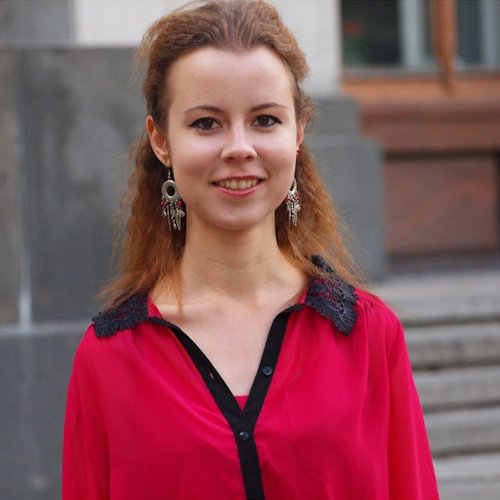
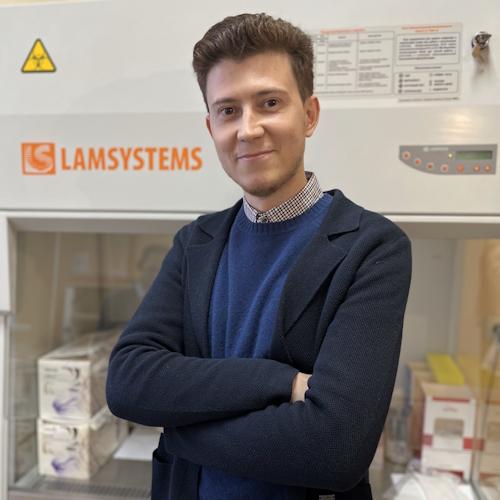
The Dokuchaev Soil Science Institute was represented by Dr. Mikhail V. Semenov, Head of the Laboratory of Soil Carbon and Microbial Ecology, who made an oral presentation entitled "Carbon Fate and Microbial Functioning in Russian Black Soils under Agricultural Land Use." The presentation highlighted recent research on the transformation of soil organic carbon and the functioning of soil microbial communities in Russian agricultural Chernozems, emphasizing their role in maintaining soil fertility and enhancing agroecosystem sustainability.

As part of the symposium, participants visited the Million-Mu Demonstration Base for Black Soil Conservation and Utilization in Lishu County, Jilin Province. During the field excursion, attendees were introduced to long-term experimental sites and advanced technologies for black soil conservation and sustainable management, including conservation agriculture, reduced tillage systems, crop residue retention, and integrated approaches aimed at improving soil fertility and agroecosystem resilience. The visit also provided an opportunity to examine the outcomes of long-term research conducted by Chinese scientists and to discuss future directions for international collaboration in the sustainable management of black soils.
The symposium and the FAO International Network of Black Soils workshop provided an important platform for presenting the latest scientific advances, exchanging knowledge among researchers from around the world, and strengthening international cooperation to promote the conservation and sustainable use of black soils – one of the world's most valuable soil resources.